Safe Portable Gas Conversion: Fuel Switching Guide
By Amina Haddad • 18th Jan
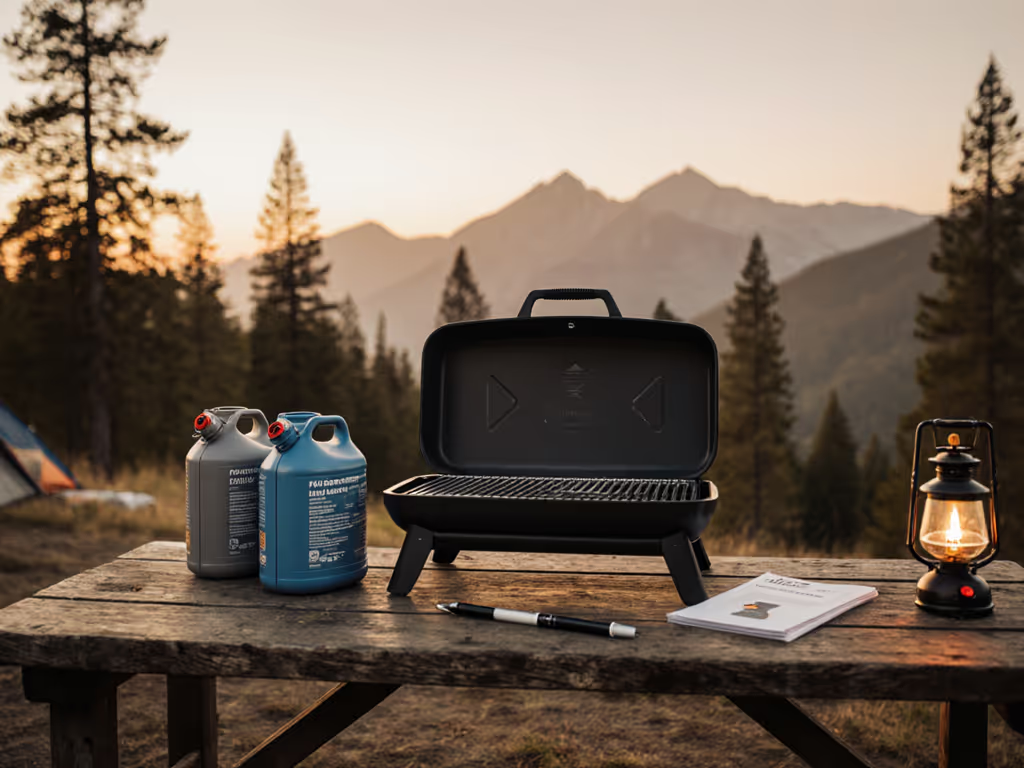
Understanding Fuel System Limitations
Why Manufacturers Prohibit Conversions
Most major grill manufacturers, including Weber and Napoleon, explicitly forbid gas conversions in their warranties. This isn't a sales tactic; it's a critical safety measure. Propane operates at significantly higher pressure than natural gas, requiring specifically engineered orifices and regulators. Attempting to convert your natural gas appliance to propane (or vice versa) creates dangerous pressure mismatches that can lead to excessive gas flow and potential fire hazards.
"You definitely do NOT want to hook up a Natural Gas Grill to a LP tank. You will have way too much gas flowing through the orifice and can be potentially dangerous." (Industry Safety Guidelines)
These restrictions extend to pellet grills as well. Pellet-specific models like those from Z Grills or Pellet Pro are engineered exclusively for wood pellet fuel. As one manufacturer's manual states: "Do not attempt to convert this LP unit to natural gas. Failure to follow this warning could lead to fire, bodily harm, and will void your warranty."
The Pellet Grill Reality Check
Many campers wonder if they can convert their portable pellet grill to use alternative fuels like propane or charcoal. The hard truth: you cannot safely convert a dedicated pellet grill to burn gas or charcoal. Pellet grills have precise engineering requirements (auger systems, temperature sensors, and burn pots) that function only with specifically sized wood pellets. If you're weighing pellets against propane for travel, see our portable pellet vs gas comparison. As noted in the Pellet Pro Patriot manual: "Do not use lava rock, wood chunks, charcoal, lighter fluid, alcohol or other similar chemicals for lighting or relighting."
Attempting fuel type switching in a pellet system creates multiple risks:
- Overfilled burn pots causing explosive combustion
- Electrical system damage from incompatible heat patterns
- Safety interlock failures
- Voided warranties
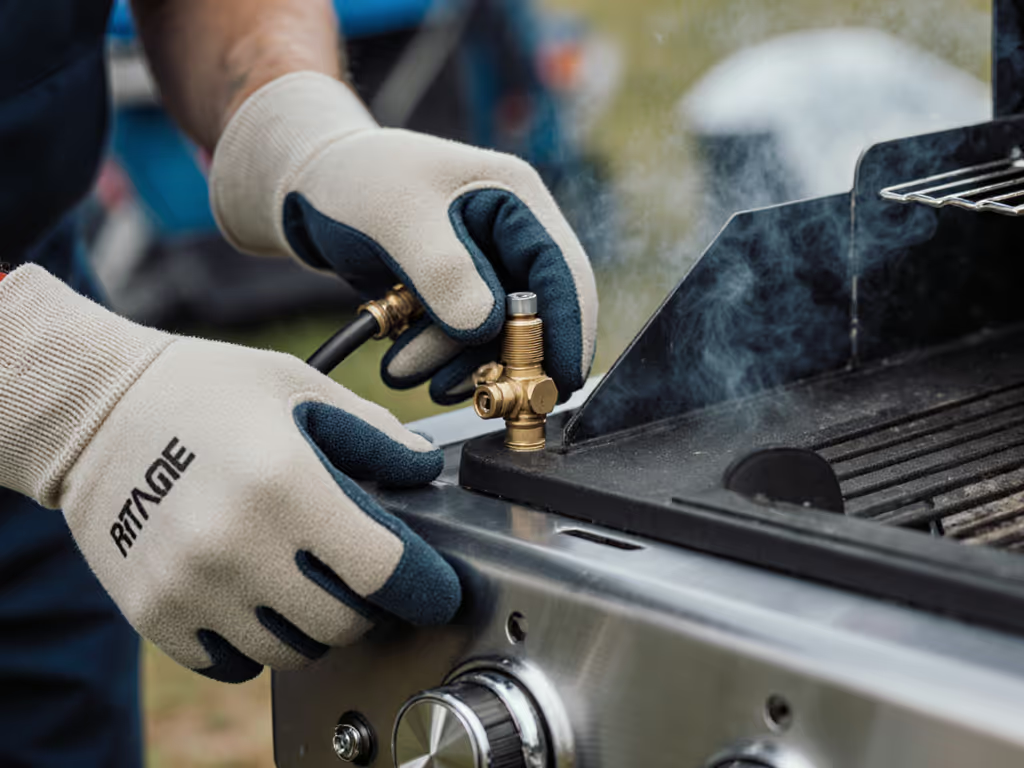
Regulatory and Safety Framework
Understanding Park and Fire Restrictions
Current fire restrictions dramatically impact your fuel choices. In 2025, 78% of National Forest Service areas implemented seasonal fire bans affecting portable cooking devices. Your portable travel grill must align with three critical regulatory layers:
- Local fire restrictions
- Land management agency rules (National Park Service vs. BLM vs. State Parks)
- Specific appliance certifications (NSF, UL, ETL)
During my dawn river launch last season, a ranger tightened restrictions mid-float. Our contained stove with spark screen met the new rules while others ate cold meals. This experience reinforced that compliance isn't restrictive, it is liberation. For a complete setup checklist and risk prevention tips, read our portable grill safety guide. Heat you can explain to a ranger, pack you can trust.
Gas Safety Verification Protocol
Before any cooking session with your portable outdoor bbq grill, implement this five-step safety check:
- Leak test: Mix 1 teaspoon mild soap with 1 cup water; apply to connections and watch for bubbles
- Regulator inspection: Check for cracks, rust, or damage to the regulator diaphragm
- Hose integrity: Verify no cuts, kinks, or hardened sections
- Connection tightness: Ensure all fittings are hand-tightened (never use tools)
- Ventilation check: Confirm 36 inches clearance from combustibles
"Watch for rust, paint the LP cylinder to make it more rustproof, and check the regulator, hoses, burner parts, air shutter, and valve section carefully." (HPBA Safety Guidelines)
I've encountered too many campers who skip this five-minute check, risking catastrophic failure. If something still feels off, use our portable grill troubleshooting guide to diagnose ignition and heat issues in the field. Proper gas conversion safety isn't about restrictions, it's about ensuring your outdoor cooking remains joyful and incident-free. A small habit here pays off big in reliability and peace of mind.
Practical Alternatives to Conversion
Multi-Fuel Systems vs. Conversion
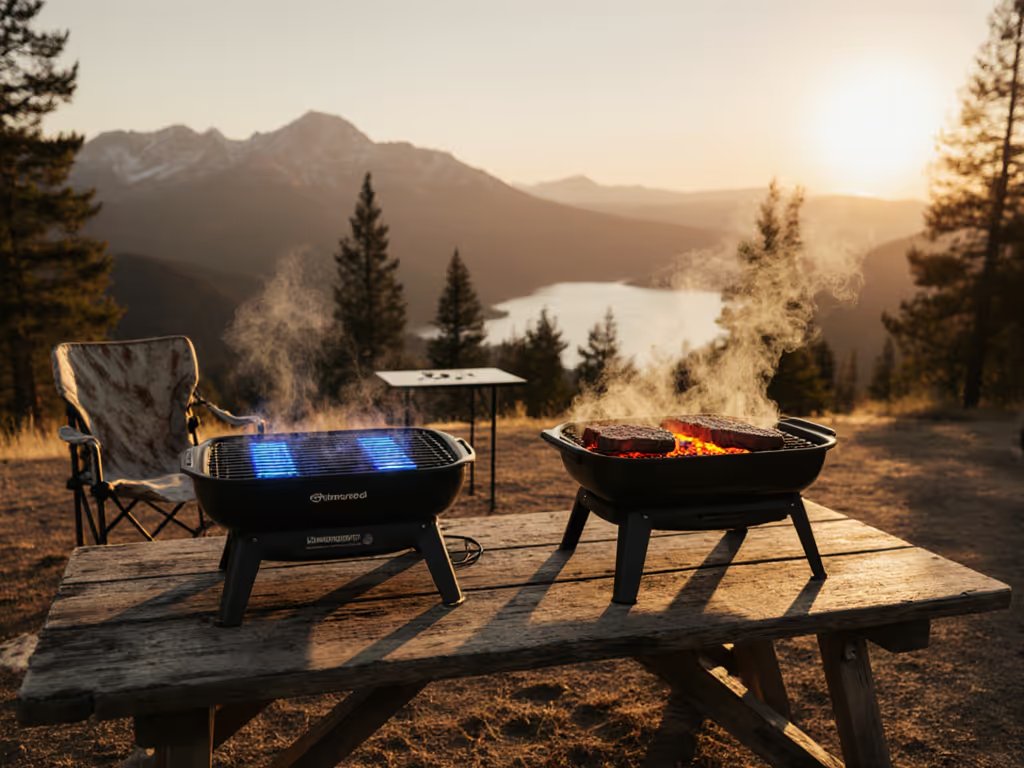
Rather than attempting dangerous conversions, consider purpose-built multi-fuel systems designed for fuel flexibility. These appliances feature:
- Removable burner assemblies
- Interchangeable orifice plates
- Color-coded fuel connections
- Automatic pressure regulation
Unlike improvised conversions, these certified systems maintain integrity through:
| Feature | DIY Conversion | Certified Multi-Fuel System |
|---|---|---|
| Pressure Regulation | None (dangerous mismatch) | Automatic adjustment |
| Safety Interlocks | None | Flame failure detection |
| Warranty Coverage | Voided | Maintained |
| Regulatory Compliance | Unlikely | Documented |
Right-Sizing Your Fuel Choice
Rather than converting equipment, select appliances matching your primary cooking environment:
- Coastal/beach trips: Propane-only systems (resists salt corrosion better than steel)
- High-altitude camping: Multi-fuel canister stoves (handles pressure changes)
- Strict fire ban areas: 100% contained electric grills (zero open flame)
- Multi-day trips: Pellet grills with dual-fuel capability (pellet + electric backup)
Remember: The convenience of a last-minute conversion isn't worth the safety risks or regulatory violations. I've watched too many trips ruined when campers tried to adapt equipment beyond its design parameters. Choose the right tool before you go.
Cleanup and Compliance Best Practices
Post-Cook Protocol for Portable Systems
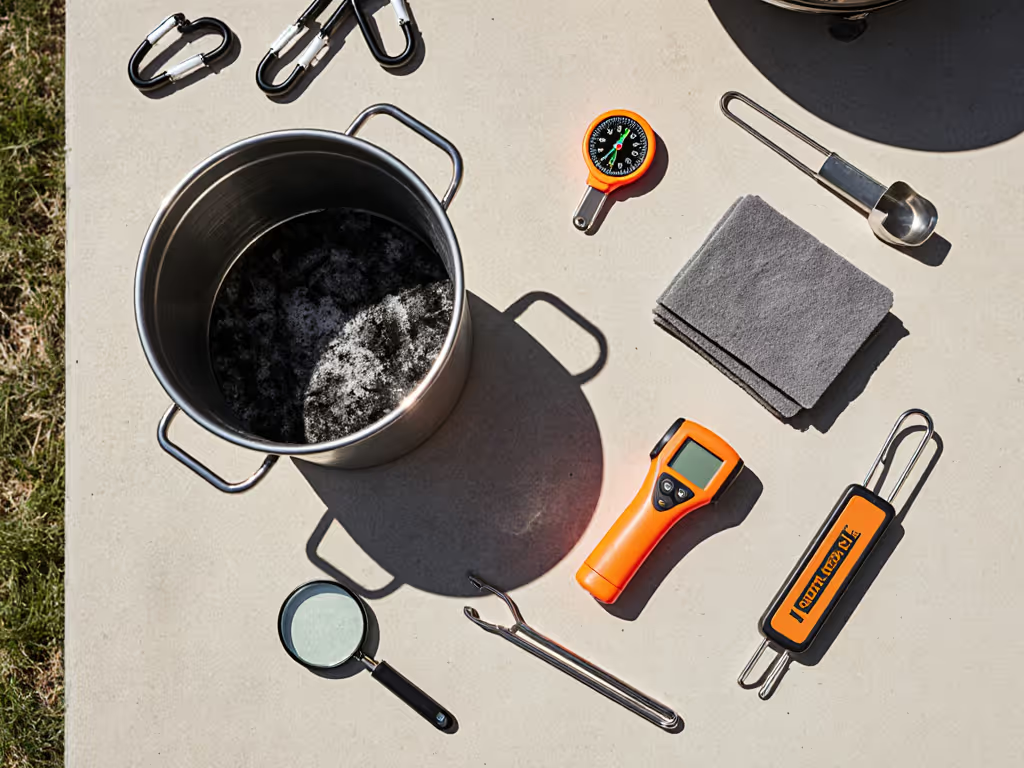
Leave your site cleaner than you found it (this isn't just a philosophy but a practical safety measure). Your portable travel grill cleanup should include: For step-by-step maintenance on the road, follow our portable grill cleaning guide.
- Cool-down period: Wait minimum 45 minutes before packing (verify with infrared thermometer)
- Ash containment: Use double-lined metal containers (never plastic bags)
- Grease management: Absorb with biodegradable cellulose pads before disposal
- Surface inspection: Check for residual embers in crevices
- Final sweep: Magnifying glass inspection of cooking surface
Documentation That Matters
Carry these three items to verify your fuel type switching compliance:
- Manufacturer's fuel specification sheet (showing approved fuels)
- Current fire restriction map (printed or downloaded offline)
- Safety checklist (completed with your campsite ID)
This documentation serves dual purposes: it demonstrates responsibility to rangers and provides peace of mind that your setup meets safety standards. When hiking into remote areas, I always include my completed checklist in my trip plan. This transparency builds trust with land managers and ensures your portable outdoor bbq grill remains welcome in fire-sensitive areas.
When to Choose a Dedicated System
Evaluating Your Needs Honestly
Rather than risking dangerous fuel conversions, consider what your cooking scenarios actually require:
- For 1-3 person trips: Dedicated propane system (lightweight, instant ignition)
- For smoke-intensive cooking: Dedicated pellet grill (consistent smoke profile)
- For strict fire ban zones: Electric-only portable grill (zero flame)
Attempting fuel type switching often creates more problems than it solves. As grill manufacturers consistently state: "Do not use spirit, petrol, gasoline, lighter-fluid or kerosene for lighting or refreshing a fire in your grill."
Long-Term Value Considerations
While a conversion might seem cost-effective initially, consider these hidden costs:
- Voided warranty coverage
- Increased insurance liability
- Potential fines for regulatory non-compliance
- Safety incidents requiring medical attention
I've repaired too many campsite friendships damaged by unsafe cooking practices. Investing in purpose-built equipment pays dividends in safety, reliability, and regulatory compliance. Plan ahead, and your meals will reward you.
Final Thoughts
Fuel flexibility in outdoor cooking requires understanding rather than improvisation. While the desire to adapt equipment to changing conditions is understandable, safety must remain paramount. Your portable pellet grill serves you best when used exactly as designed, with clean fuel, proper maintenance, and respect for fire regulations.
Remember the core principle that guides my kayak camping: joyful outdoor cooking leaves no trace and meets the rules every time. When you select equipment that aligns with its intended purpose, you're not limiting your options, you're expanding your freedom to cook safely anywhere.
Leave it cleaner than you found it, that's not just cleanup advice, but a philosophy for sustainable outdoor enjoyment.
Related Articles