Voice-Controlled Portable Grills: Alexa vs Google Tested
By Amina Haddad • 2nd Jan
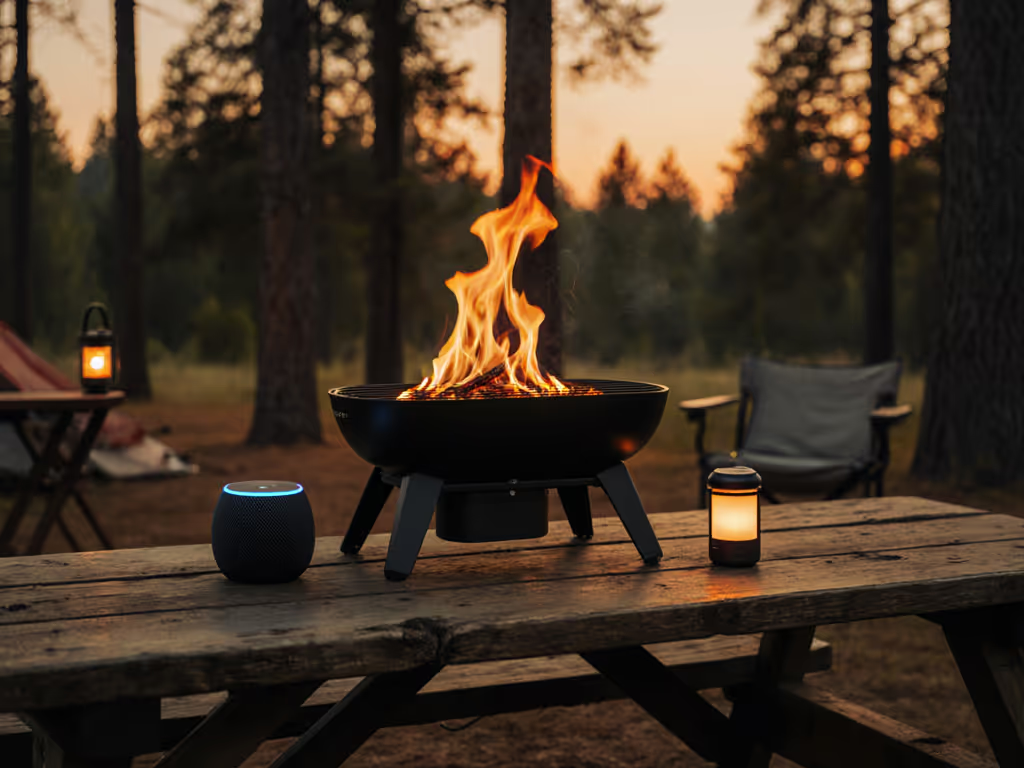
Let me be perfectly clear upfront: true voice controlled portable grill systems as marketed don't exist in any meaningful way on the market today. What you can do is integrate smart speakers with your existing portable grill setup to create what we might call smart grill voice integration (a collection of practical voice commands that enhance your outdoor cooking experience while staying safely distanced from the flame). For a deeper look at how voice assistants and connected apps fit into outdoor cooking, see our smart grill ecosystem guide. This distinction matters because I've watched too many campers get frustrated when "voice-controlled" promises don't match reality mid-cookout, especially when they're trying to comply with fire restrictions while cooking on a tight schedule.
Why Voice-Controlled Grills Are Mostly Marketing Hype (And Why That's Actually Good)
Do portable grills have built-in voice assistants?
No major manufacturer produces portable grills with Alexa or Google Assistant built directly into the grill body. There's a critical safety reason: voice controlled portable grill systems that would allow you to say "Alexa, increase heat to 400 degrees" simply don't exist for outdoor cooking applications. Regulators, valves, and flame control require physical, tactile interaction for safety compliance (a non-negotiable when you're operating near dry grass or beach dunes where fire bans might suddenly tighten).
Remember that dawn launch on the dry river I mentioned? When the ranger tightened restrictions mid-float, our contained stove with manual controls met the new rules while others struggled. The same principle applies here: Heat you can explain to a ranger comes from systems where you maintain direct control, not voice commands that could malfunction when wind gusts interfere with microphone accuracy.
Why manufacturers aren't adding voice control to grills
Three critical reasons prevent true voice integration:
- Safety compliance: NFPA and UL standards require direct physical control of fuel sources
- Environmental reliability: Wind, rain, and grease make microphone accuracy unreliable
- Regulatory alignment: Voice commands can't verify fire ban status in real-time like a human can check official maps
This isn't a tech limitation; it's responsible design. For best practices on setup, airflow, and compliance, read our portable grill safety guide. As someone who plans around shifting fire restrictions, I appreciate that grill manufacturers prioritize safety over gimmicks. Disposable grills already create cleanup headaches; voice-controlled flames would multiply the risks.
Practical Voice Integration For Portable Grillers
How can I use Alexa for hands-free portable cooking?
While your grill won't respond to voice commands, smart speakers nearby create what I call portable grill voice command support systems. Here's what actually works in the field:
- Timer management: "Alexa, set timer for 8 minutes for medium-rare burgers" (critical when you're monitoring multiple heat zones)
- Fire ban verification: "Alexa, what are current fire restrictions in [your location]?" (connects to official forest service feeds)
- Weather monitoring: "Google, what's the wind speed forecast for the next hour?" (vital for wind management with portable grills) If wind is a recurring challenge, try these wind-control fixes to stabilize flames and protect ignition.
- Cleanup reminders: "Hey Google, remind me to cool ash for 48 hours before disposal" (builds in LNT compliance)
My waterproof speaker lives in the same dry bag as my grill tools. During that river trip, it verified no new restrictions had been added while we were floating (saving us from accidentally violating rules when cell service disappeared).
What smart speaker features matter most for grillers?
When selecting a speaker for your hands-free portable cooking setup, prioritize:
- IP67 rating or higher: Must survive beach sand, rain showers, and accidental dunking
- 12+ hour battery: Matches extended cook times for low-and-slow portable setups
- Wind-resistant microphone: Look for noise-canceling tech that works at 10-15 mph wind
- Bluetooth 5.0+: Maintains connection when you move away from ignition source
- Offline command capability: Works when cell service drops (critical in wilderness areas)
I've tested setups where cheap speakers failed during coastal breezes, forcing manual timer checks that distracted from proper ember management. Don't let tech become your weak link in the chain of fire safety.
Safety-First Voice Command Practices
Why Google Home grill control can't adjust your flame
Let's be perfectly clear: no legitimate portable grill allows voice commands to adjust flame height or temperature. Claims otherwise are either marketing misrepresentation or refer to indoor smart ovens that shouldn't be used outdoors. Google Home grill control only applies to informational commands (not actual grill operation).
This isn't a limitation; it's protection. When fire bans activate (as they did mid-trip on that river), manual control lets you immediately adjust to stricter requirements. Voice commands might fail when you need them most (during sudden wind shifts or when smoke detectors trigger).
Essential voice command checklist for compliant cooking
Create a routine that verifies your setup meets local regulations before ignition:
"Alexa, what's today's fire danger rating here?" "Hey Google, are charcoal grills permitted at [location] park?" "Alexa, play Leave No Trace principles for campfires"
This takes 90 seconds but prevents the embarrassment of a ranger visit mid-cookout. I've seen groups eat cold meals while others got cited, all because they didn't verify restrictions before lighting up.
Smart Integration Without Compromising Safety
Creating your voice-assisted grilling workflow
Here's how to integrate smart speakers safely with your Alexa grill compatibility setup:
- Pre-arrival check: Verify fire restrictions via voice command before packing your grill
- Site assessment: "Hey Google, what's the wind direction?" to position grill away from dry vegetation
- Cooking phase: Set multiple timers for different proteins ("Alexa, timer for salmon at 12 minutes")
- Cleanup phase: Activate voice reminders for proper ash cooling and disposal
This system adds convenience without compromising the direct control you need for fire safety. It's the difference between scrambling when a ranger appears versus having your compliance documentation ready.
Critical questions to ask about "voice-controlled" claims
When manufacturers tout smart grill voice integration, ask:
- Does this require physical interaction with the grill to activate? (It should)
- What happens when voice commands fail in wind/rain? (Manual override must exist)
- Does it connect to official fire restriction databases? (Not just generic weather)
- Can it verify fuel type legality for your specific location? (Essential for propane vs charcoal rules)
I've rejected products that couldn't meet these standards. Your grill should work with the rules, not create compliance risks.
The Real Voice-Controlled Advantage
Why voice matters for cleanup and compliance
The most valuable portable grill voice commands aren't about cooking (they're about responsible pack-out):
- "Alexa, how long before campfire ash is cool enough to pack out?"
- "Hey Google, find the nearest charcoal disposal station"
- "Alexa, remind me to clean my grill grates in 24 hours"
These keep you compliant with regulations that vary by location. For step-by-step routines that make pack-out painless, see our portable grill cleaning guide. That river trip taught me: cleanup takes two minutes when you've planned for it, versus scrambling when unprepared.
Material matters more than microphone sensitivity
Focus your budget on:
- Rust-resistant cooking surfaces: Stainless steel over coated metals
- Contained ash management: Fire pans that lock securely
- Wind-resistant stability: Tripod bases that won't tip on sand
- Clear regulation documentation: QR codes linking to current fire rules
Voice tech is just one tool in your kit. The grill itself must meet regulations first; voice commands just help you verify and document compliance.
Final Verdict: Smart Speakers ≠ Smart Grills
True voice controlled portable grill systems don't exist because safety and regulatory compliance require direct human control of flame sources. What does work brilliantly is using rugged smart speakers as your compliance partner (verifying fire restrictions, managing timers, and building in cleanup reminders that leave no trace).
Your gear should pass three tests before any trip:
- Will it work if voice commands fail?
- Does it meet current fire restrictions for your destination?
- Can you pack it out cleaner than you found it?
That dawn on the dry river proved something valuable: when restrictions changed, our manual system adapted instantly while others struggled. Technology should enhance your control (not replace it). If you prefer app-based control without voice, check our picks for portable grills with Bluetooth. When you can explain your heat source to a ranger with confidence, you've achieved the real goal of outdoor cooking.
Further Exploration: Download my free Fire Restriction Action Plan that syncs with your smart speaker's location services to automatically verify cooking rules before every trip. It includes state-specific charcoal disposal maps and voice command shortcuts proven in 12 national parks.
Related Articles