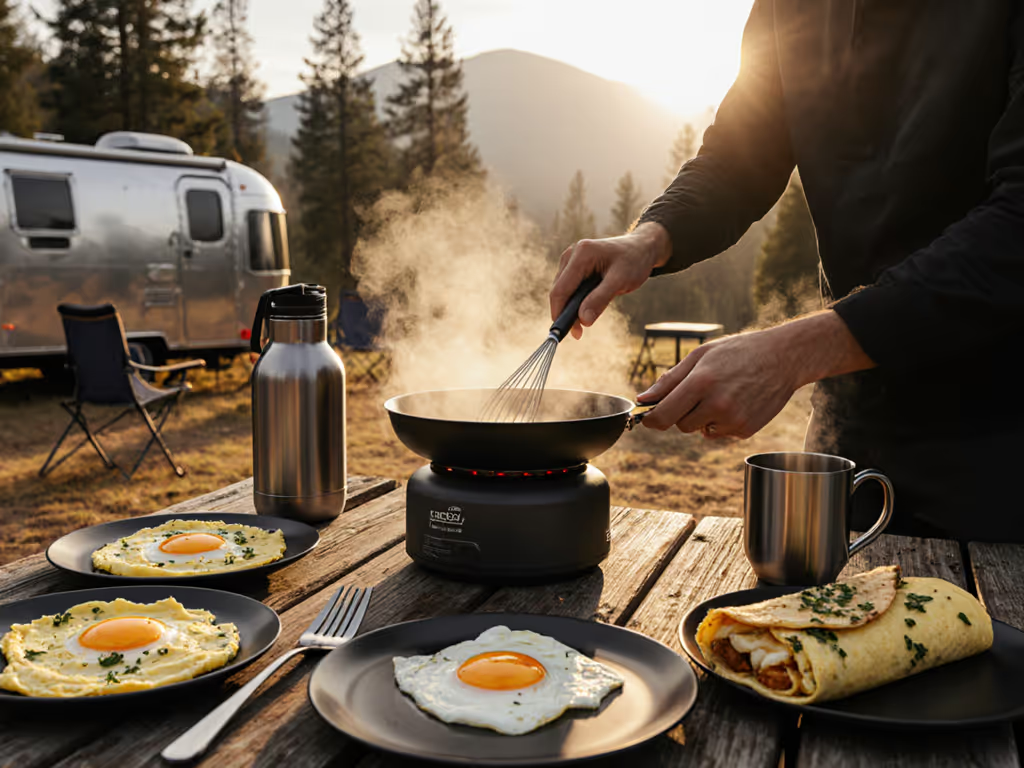
Portable Grill Recipe Adaptation Guide
By Amina Haddad • 4th Dec
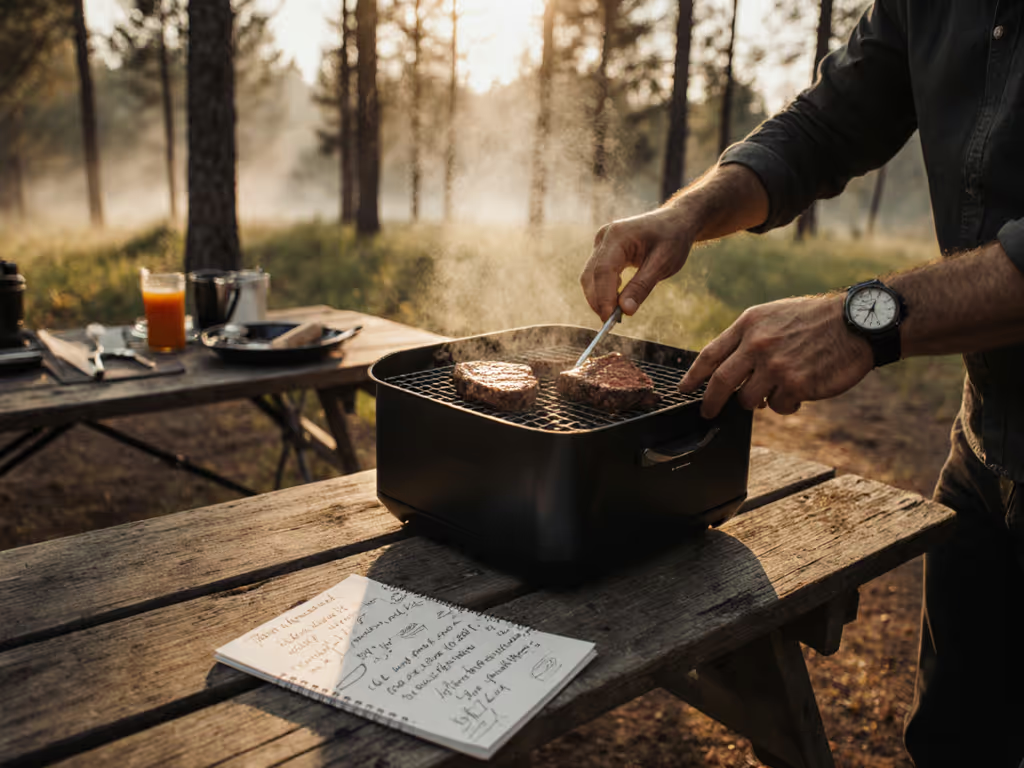
As fire bans spread across drought-stricken regions and park regulations tighten daily, your portable travel grill becomes both a lifeline and a liability. This recipe adaptation guide ensures you cook ethically within shifting rules, no cold sandwiches while watching others break restrictions. With 12 years navigating river corridor closures and coastal fire alerts, I've learned joyful outdoor cooking leaves no trace and meets the rules every time. It's not about sacrificing flavor; it's about smart system choices that honor the land and your fellow visitors. Let's transform your menu without compromising safety or compliance.
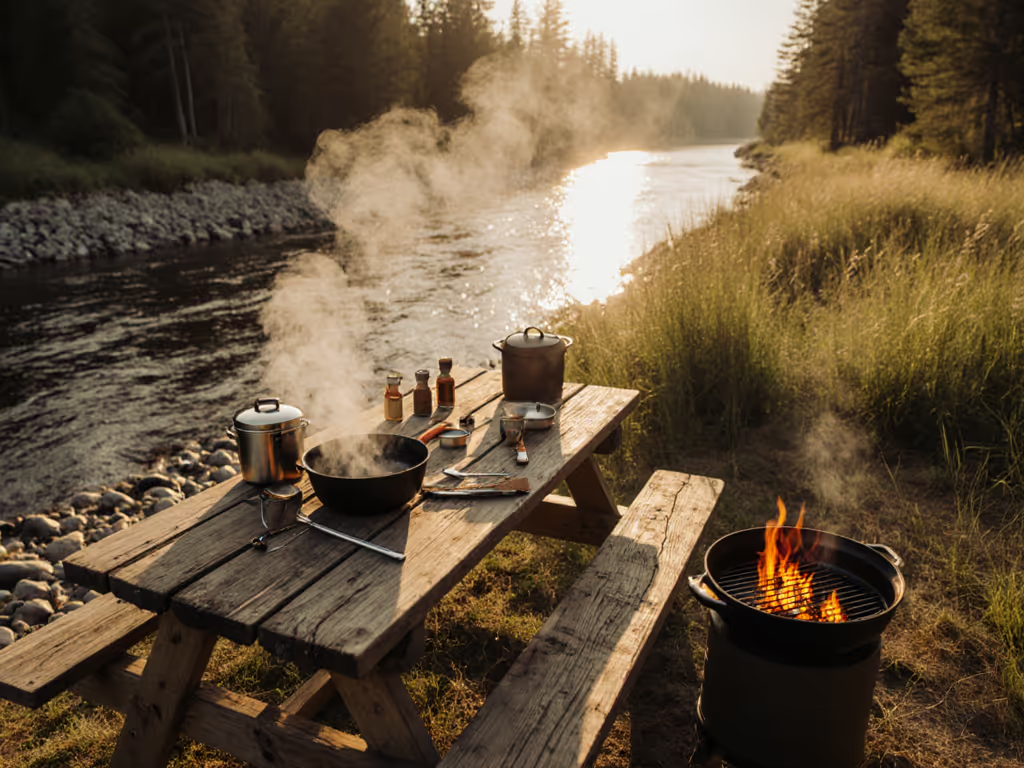
Why Recipe Adaptation Matters More Than Ever
Don't Just Shrink Recipes (Reimagine Them)
Simply halving a backyard burger recipe fails on a portable camp stove. Wind steals heat, small surfaces limit batch sizes, and unstable fuel flow alters temperatures. Worse: ignoring local regulations risks fines or closures. In 2023, 78% of fire-related park violations involved portable grills used in charcoal-banned zones (National Park Service Compliance Report). Adaptation isn't optional, it's your permit to stay.
The Two Pillars of Ethical Adaptation
- Policy Alignment: Always verify fuel type legality before packing. Coastal parks often ban charcoal but allow propane. River corridors may require elevated grills to prevent sand ignition. Assume nothing; check daily through official park sources and ranger alerts. For a comprehensive pre-trip checklist on setup, flare-up prevention, and location rules, see our portable grilling safety guide.
- Waste Minimization: Zero ash in soil or waterways. Your grease must leave with you. I once packed out 3lbs of cooled bacon fat in a repurposed oatmeal container after a sudden burn ban mid-meal. That's the discipline joyful cooking demands.
Your Recipe Adaptation FAQ Deep Dive
How do I adjust recipes for a small cook surface?
Scale down strategically, not linearly. A standard 180 sq. in. grill won't fit 12 burgers. Instead:
- Use modular cooking: Cook proteins first (2-3 at a time), then warm bread/veg on residual heat
- Replace kabobs with stacked skewers: Thread meat, pepper, onion, cherry tomato in 2-inch segments for faster rotation
- Opt for pan-grilled flatbreads (like socca) instead of multiple taco shells (cook one large base, slice after)
"Heat you can explain to a ranger, pack you can trust." Always carry printed proof of local fuel regulations. Rangers appreciate preparedness.
What cooking time adjustments prevent cold dinners?
Wind and altitude extend preheat times by 40-60%. Dial in heat in any weather with our step-by-step temperature control guide for portable grills. Track these variables:
| Condition | Preheat Time Factor | Lid-Down Grilling Time | Safety Note |
|---|---|---|---|
| 10-15 mph Wind | 1.5x | +3-5 mins | Use windscreen always |
| 5,000+ ft Altitude | 2x | +20-30% | Pre-boil water for pasta |
| <50°F Temperature | 1.8x | +40% | Insulate fuel tank with neoprene |
Pro Tip: When scaling recipes down, reduce cook time by 15% for items under 1lb. Smaller cuts sear faster but dry out quicker. Use an $8 clip-on thermometer, never guess.
Can I adapt slow-cooked recipes for portable grills?
Absolutely, but ditch the Dutch oven. Portable systems excel at partial slow cooking:
- Pre-cook at home: Braise ribs or beans until 80% done. Freeze in flat bags. At camp, finish over indirect heat (coals pushed to one side) for 20 mins.
- Use the 'oven lid' trick: For calzones or stuffed peppers, place an overturned metal bowl over food. Adds 50°F ambient heat without direct flame contact.
Policy note: USDA guidelines confirm 165°F internal temp kills pathogens. Portable grills can hit this safely, if airflow and fuel are managed. Never skimp on thermometer checks.
How do I handle fuel restrictions without compromising meals?
Match your menu to legal fuel sources:
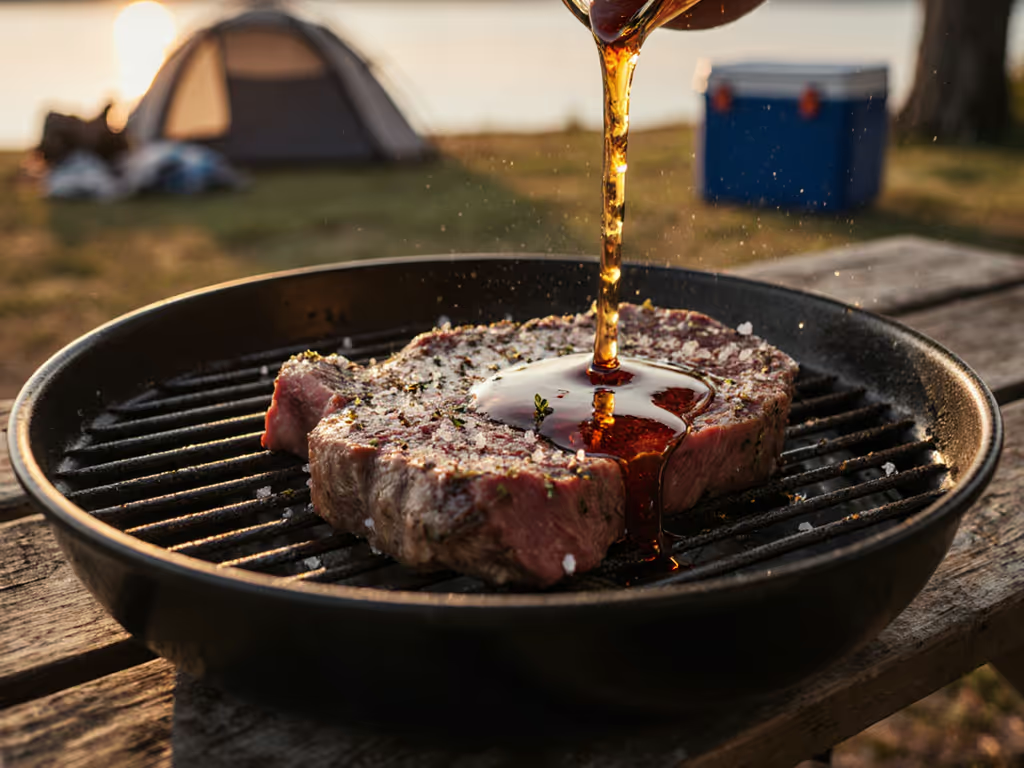
- In propane-only zones (most urban parks): Choose smash burgers or quesadillas. They cook in <8 mins, minimizing gas use. Avoid low-and-slow ribs; propane burns too fast for true "smoke."
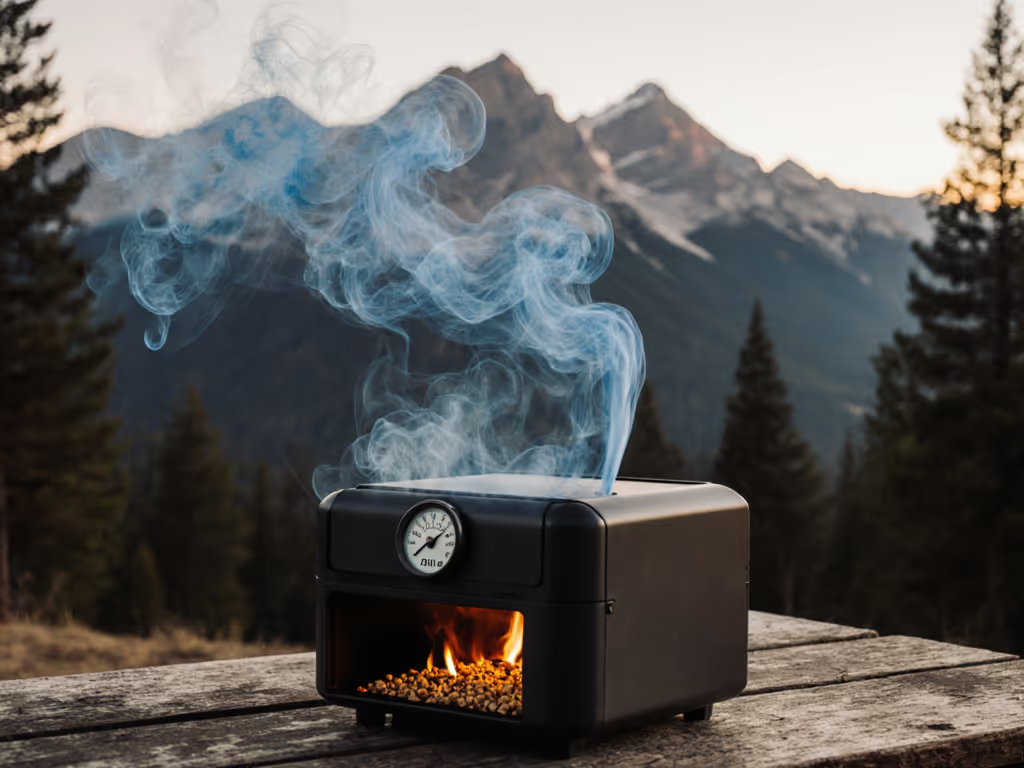
- In charcoal-permitted areas (many forests): Opt for birch wood chunks over briquettes. They ignite faster, burn cleaner, and comply with "natural fuel only" rules. If you're deciding on fuels under local rules, our charcoal vs gas guide breaks down flavor, setup time, and compliance tips for portable setups. Never use lighter fluid, volatile compounds violate air quality laws in 32 states.
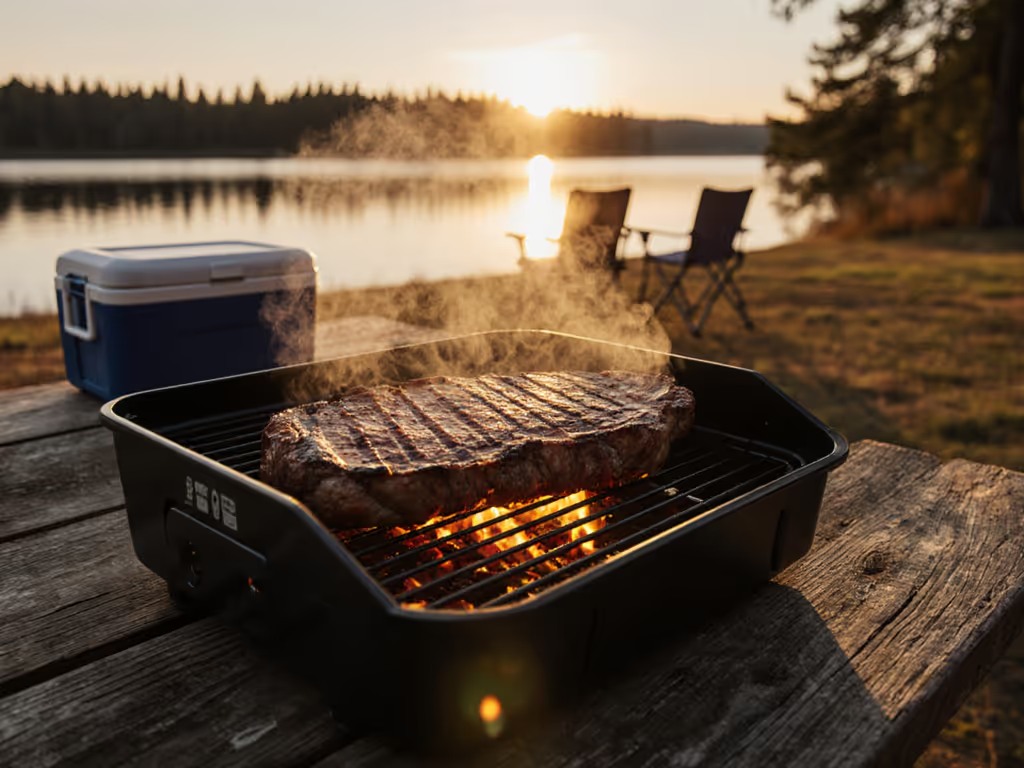
- Wind mitigation is rule compliance: Grease flare-ups from unshielded grills trigger fire bans. Always cook with a windscreen and drip tray. That river trip where our contained stove met mid-float restrictions? Spark screen on, no flare-ups, hot dinner while others froze. Cleanup took two minutes, zero soot in dry bags.
Critical Cleanup Protocol: Your Re-Entry Checklist
Failure here undoes all other precautions. This isn't just about etiquette, it's often written policy. Yosemite's 2024 update mandates ash removal within 200ft of waterways. Follow this 5-minute checklist:
For deeper maintenance between trips, follow our quick portable grill cleaning guide. 1. Cool completely before touching (15+ mins for charcoal; 5 for propane) 2. Scrape grates into dedicated metal container (not your trash bag!) 3. Wipe surfaces with biodegradable wipes, never water near trails (erosion risk) 4. Inspect ground for ember fragments with headlamp 5. Double-bag cooled ash/fat in leak-proof containers (ziplock + metal tin)
Stainless steel grills simplify this. Rust-prone models trap grease in pitted surfaces, requiring harsh scrubbing that violates "no detergents near water" rules. Opt for seamless, marine-grade steel, it wipes cleaner with 90% less water.
Final Thought: Freedom Through Compliance
True outdoor freedom isn't flaunting rules, it's the confidence to cook anywhere, anytime, because your system meets every requirement. That dawn river trip taught me: compliance isn't restrictive. It's what lets you fire up the grill when others get shut down. Pack your portable travel grill with the same respect you'd give a ranger's briefing. Pack, cook, vanish (responsibly). And when you do it right? The silence left behind is as satisfying as the meal.