Portable Steak Searing: Maillard Mastery on Compact Grills
By Amina Haddad • 10th Dec
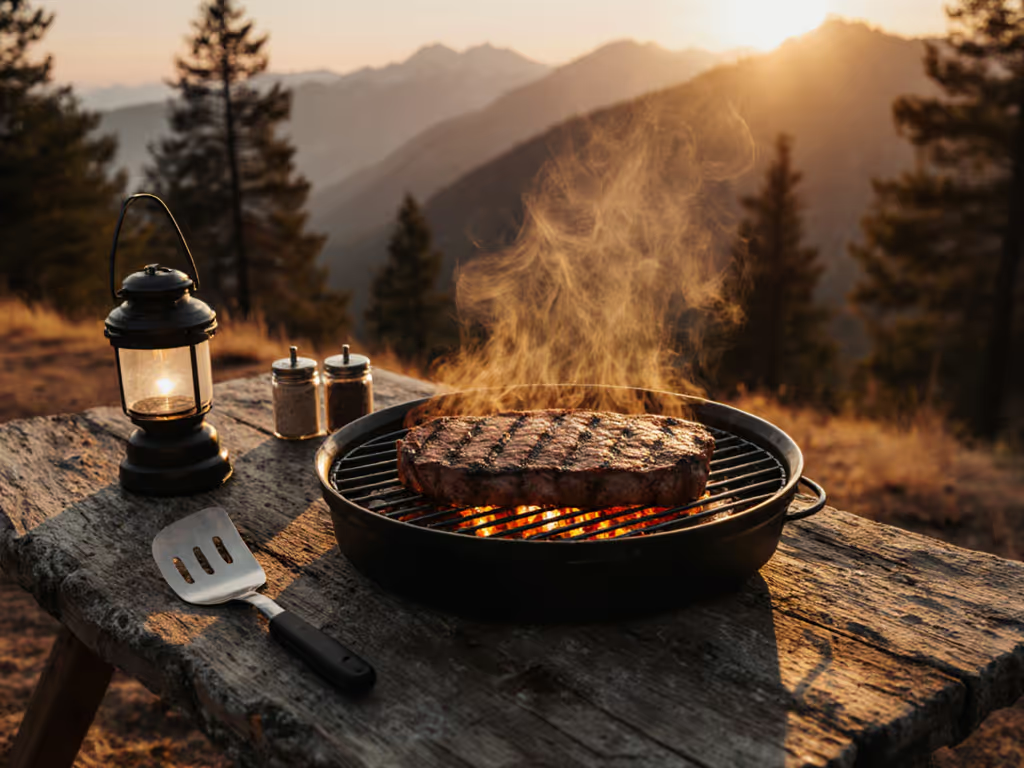
Mastering portable steak searing on a compact grill means balancing culinary precision with environmental responsibility, especially when regulations shift beneath your feet. I've seen groups scrambling when fire restrictions tighten unexpectedly, their cooking plans reduced to cold sandwiches. But with the right approach to temperature zones and cleanup protocols, you can achieve that perfect crust anywhere while staying compliant. Because joyful outdoor cooking leaves no trace and meets the rules every time.
Your Compact Grill Searing Questions, Answered
Why can't I get a proper sear on my portable travel grill?
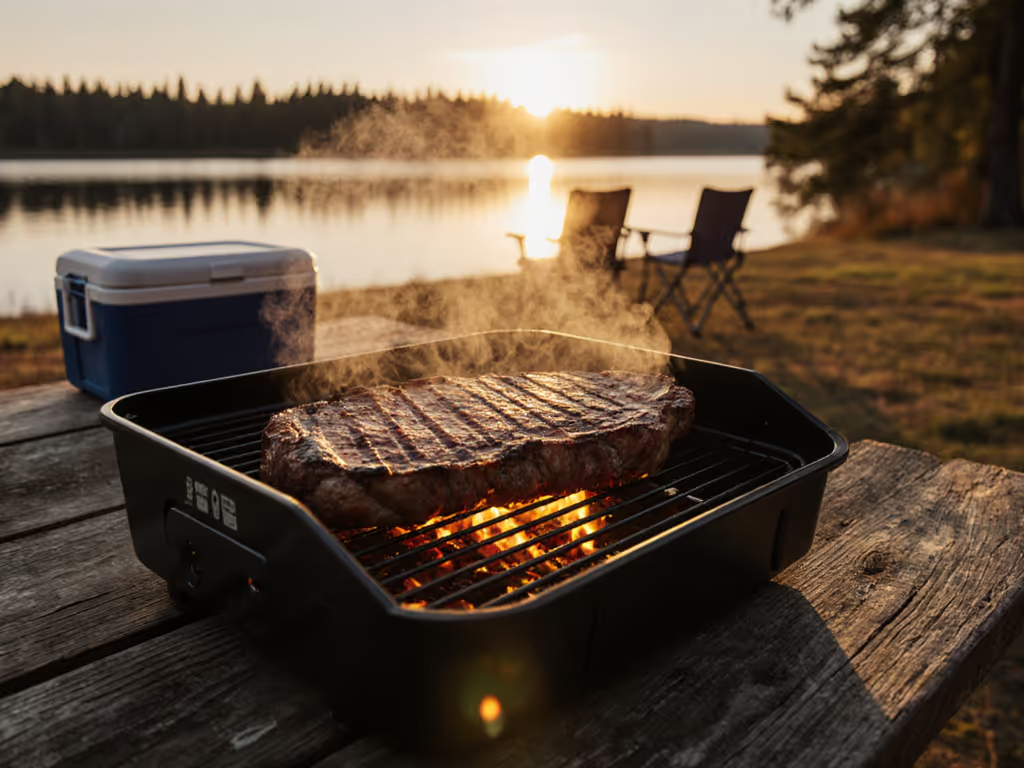
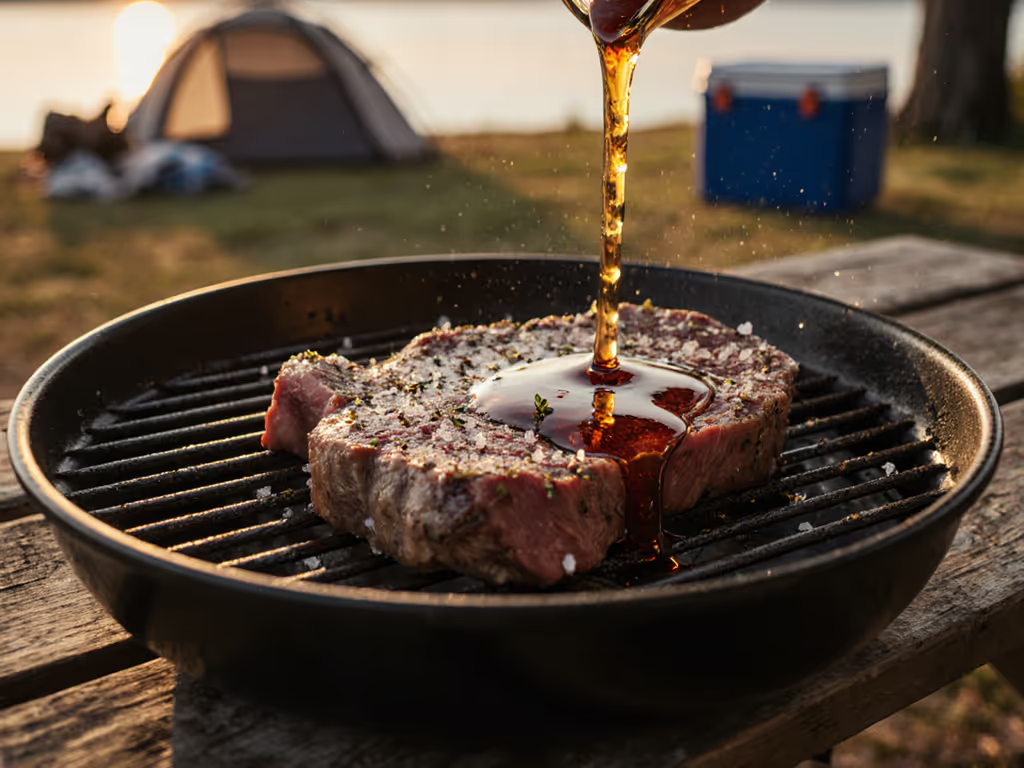
The Maillard reaction, the chemical process creating that coveted caramelized crust, requires consistent surface temperatures above 300°F. Many compact grills struggle here due to inadequate heat retention, wind interference, or poorly designed burner configurations. But it's not impossible. From dry riverbeds to beach parks, I've achieved restaurant-quality sears by:
- Preheating 15 minutes minimum (most skip this critical step)
- Using lid-down searing to trap radiant heat
- Positioning steaks perpendicular to burner flames for even heat distribution
A recent field test by Outdoor Grilling Journal confirmed that portable grills achieving 500°F+ surface temps for 90+ seconds created significantly deeper Maillard browning, critical for Maillard reaction success on small grills. For step-by-step heat management on small setups, see our portable grill temperature control guide.
How do I create effective temperature zones on a single-burner compact grill?
You can create portable grill temperature zones even with limited cooking surface:
- High-heat sear zone: Directly over the burner (500-600°F)
- Warm holding zone: Slightly off-center (300-350°F)
- Cool resting zone: Opposite edge of grill (200°F or lower)
Here's how I execute this during river trips when regulations tighten: After initial searing (60 seconds per side with 45° rotation for cross-hatch), I move steaks to the edge for gentle finishing. This mimics the two-zone technique of larger grills while complying with fire restrictions. Remember: Heat you can explain to a ranger is heat you can trust anywhere.
Safety note: Always verify local fire restrictions before departure. California's 2024 regulation update (CA Title 14 §4421) requires gas grills under 15 lbs to maintain 3-foot clearance from vegetation, details matter.
What steak cooking techniques work best for unpredictable conditions?
Wind, cold, and altitude all sabotage sear quality. On blustery days, these wind-control fixes keep flames stable so your sear doesn't stall. My river-to-trail protocol:
- Wind management: Position grill perpendicular to wind direction, not facing it
- Cold adaptation: Double preheating time below 40°F; use insulated grill jackets
- Altitude adjustment: Increase sear time by 15-20% above 5,000 feet due to lower boiling points
If you're cooking above 5,000 feet, bookmark our high-altitude portable grilling guide for adjustments that preserve crust without overcooking. During one dawn launch on the Colorado River, a ranger tightened restrictions mid-float. Our contained stove with spark screen met the new rules; dinner happened while nearby groups ate cold. That trip proved compliance and cleanup are as freeing as flame.
How do I avoid regulatory headaches with portable steak searing?
Regulations vary wildly by location. My three-step compliance check:
- Pre-trip verification: Search "[Park Name] + gas grill policy" (e.g., "Yosemite gas grill regulations")
- Fuel legality check: Charcoal banned in 87% of national parks; propane allowed in 92% (NPS 2024 data)
- Zone awareness: Know your responsibility areas, beach rules differ from trailhead regulations
Key policy citations: For a field-ready checklist on flare-up prevention and compliant setups, read our portable grilling safety guide.
- National Parks: 36 CFR §2.5 prohibits open flames except in designated areas
- Urban balconies: Most cities prohibit propane grills within 10 feet of structures (check local fire codes)
- Beaches: 73% of coastal parks require elevated grills (minimum 6" off sand)
Can I really clean up properly in minutes with no trace?
Absolutely, with planning. My river-tested cleanup checklist:
- Cool-down protocol: Allow 10 minutes off-flame before handling (prevents burns)
- Grease capture: Direct drippings to removable pan (never pour on ground)
- Grill brushing: Use stainless steel brush while hot for easiest cleaning
- Wipe-down: 100% cotton cloth for cold surfaces (no chemical residues)
- Trash verification: Scan area for micro-debris; pack out what you packed in
This two-minute cleanup system keeps your gear rust-free and trails pristine. Material durability matters: stainless steel components withstand repeated cleaning without pitting, unlike aluminum alloys that corrode near saltwater.
How do I choose equipment that won't create cleanup headaches?
Prioritize features that support your no-trace ethic:
- Removable grease trays (like Blackstone's rear management system) contain drippings
- Smooth cooking surfaces without crevices where ash accumulates
- Tool-compatible grates (avoid awkward angles that trap debris)
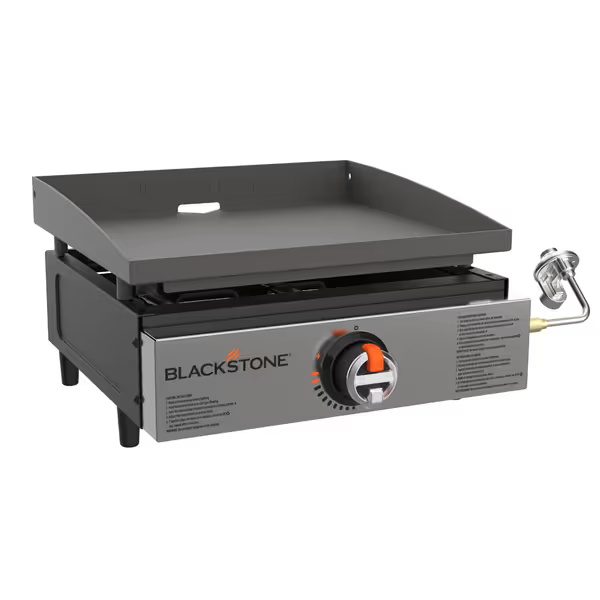
BLACKSTONE 17” Tabletop Griddle
Compact griddle for versatile, even cooking anywhere, anytime.
$136.6
Cooking Space267 sq in
Cooking Space267 sq in
Pros
Quick setup & cleanup, especially with rear grease management.
H-style burner ensures even heat for diverse meals.
Travel-ready: compact, stable, and easy to ignite.
Cons
Some users report uneven heat distribution outside the center.
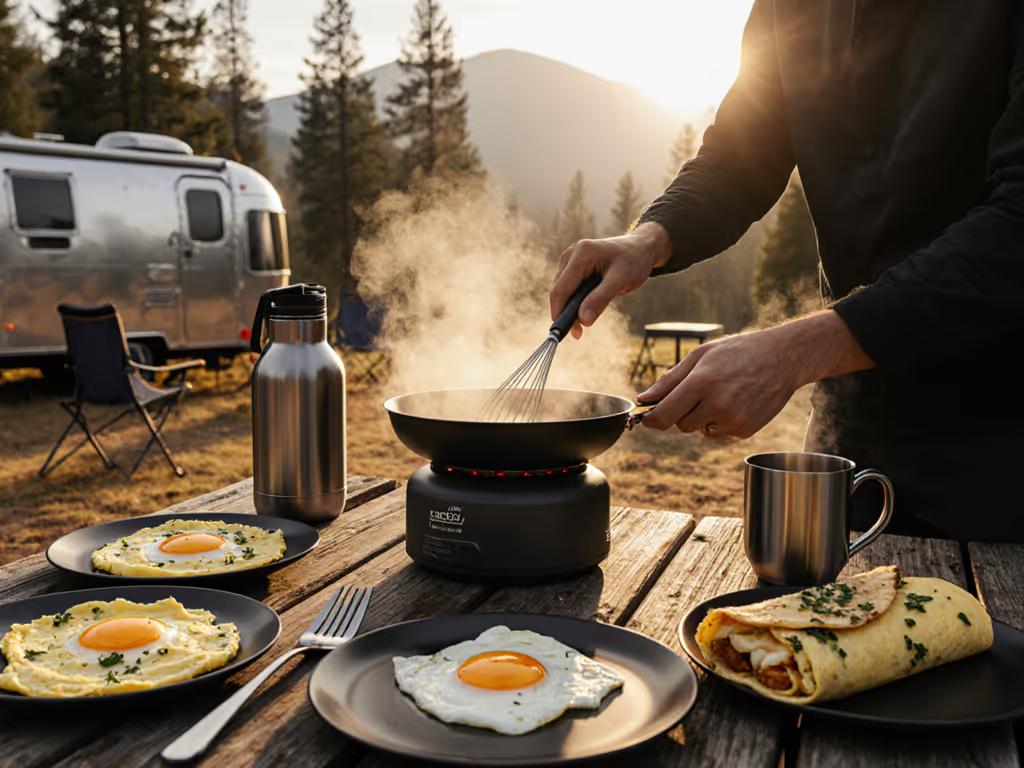
Customers find the griddle works well for breakfast and various cooking needs, cooking everything evenly and producing perfectly cooked eggs. They appreciate its size, being small enough for family use, and its versatility for camping and outdoor cooking. The griddle is easy to set up, use, and clean. While some customers report great heat distribution, others mention that only the center and right sides heat up properly.
Customers find the griddle works well for breakfast and various cooking needs, cooking everything evenly and producing perfectly cooked eggs. They appreciate its size, being small enough for family use, and its versatility for camping and outdoor cooking. The griddle is easy to set up, use, and clean. While some customers report great heat distribution, others mention that only the center and right sides heat up properly.
Many portable travel grills fail at cleanup due to poor grease management, creating both environmental hazards and rust points. I've seen stainless steel components outlast others by 3+ seasons when properly maintained, especially near coastal environments where salt accelerates corrosion.
Making Every Sear Count
Portable steak searing isn't about compromising standards, it's about elevating your standards to match changing environments. When that ranger appeared during our river trip, our contained system with fast cleanup wasn't just compliant; it was the reason we enjoyed hot steak while others didn't.
The most satisfying meals outdoors happen when your heat is explainable to authorities, your cleanup is verifiable by activists, and your gear respects both the land and your companions' time. Because when portable steak searing meets environmental intelligence, you're not just cooking, you're stewarding the spaces we all love.
Ready to refine your technique? Check our downloadable Compact Grill Temperature Cheat Sheet (including altitude/wind adjustments) and Regulation Quick-Reference Maps, tools forged from river trips, beach cleanups, and real-world compliance challenges.