COBB Infrared: Less Fuel, Same Flame Portable Grilling
By Priya Nayar • 25th Nov

Forget bulky charcoal bags and finicky propane rigs that quit in the wind. For urban weekenders and trailhead chefs, COBB grill technology solves the core dilemma: how to sear properly without hauling gear that eats your trunk space or fuel budget. At its heart, infrared portable cooking isn't about backyard BTU wars, it's about radiant heat efficiency that actually works when you're squeezed into a park bench or coastal bluff. The best grill is the one you'll actually carry and fuel anywhere, and that's why infrared's quiet efficiency is a game-changer for mobile cooks. I learned this on an overnight train to the coast, where my adapter saved dinner when the station vendor was out of butane. Redundancy matters, but so does burning less fuel overall.
Why Radiant Heat Beats Hot Air for On-the-Go Cooking
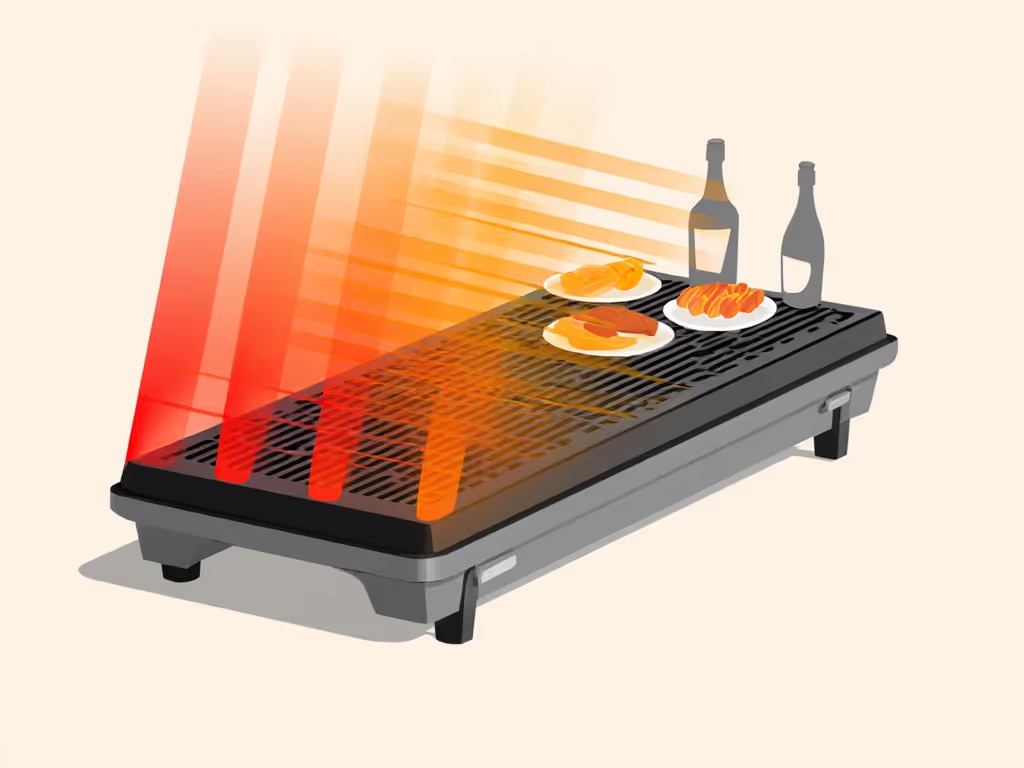
Most portable gas grills rely on convection (circulating hot air), which creates three critical problems for mobile use: fuel waste, wind vulnerability, and slow preheat. If wind is your main headache, master airflow and shielding with our windproof heat control guide. Infrared cuts through these by emitting direct radiant energy (like the sun warming your face) to cook food. Instead of heating air that escapes in gusts, infrared elements (like COBB's ceramic burners or radiant plates) transfer heat straight to the grate and food. This means:
- 3-5 minute preheat (vs. 15+ for convection grills), so you're cooking while friends finish unpacking
- Up to 30% less fuel consumption since energy isn't lost to ambient air (critical when every ounce counts in your pack)
- Near-immunity to 15 mph winds because radiant heat doesn't rely on trapped air
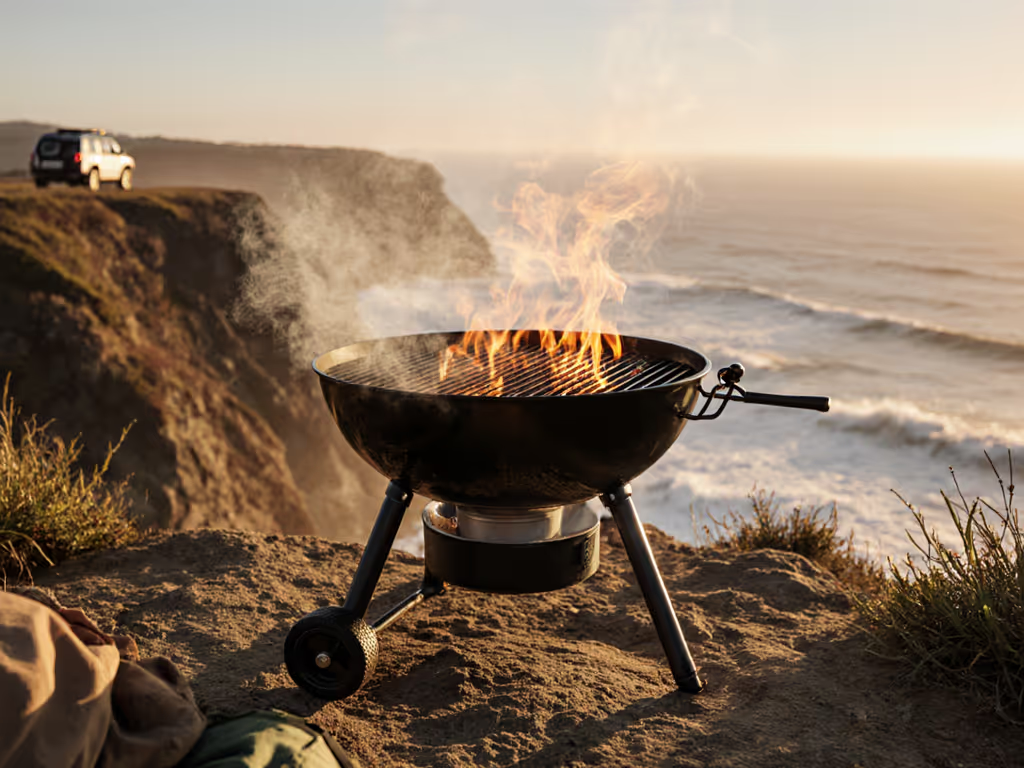
Real-world impact: At a breezy beach cookout, my infrared rig held steady at 400°F while a friend's propane grill smoked at 250°F. No windscreen needed, just consistent sear marks on the salmon.
COBB's Secret: Portable Infrared Efficiency Without the Complexity
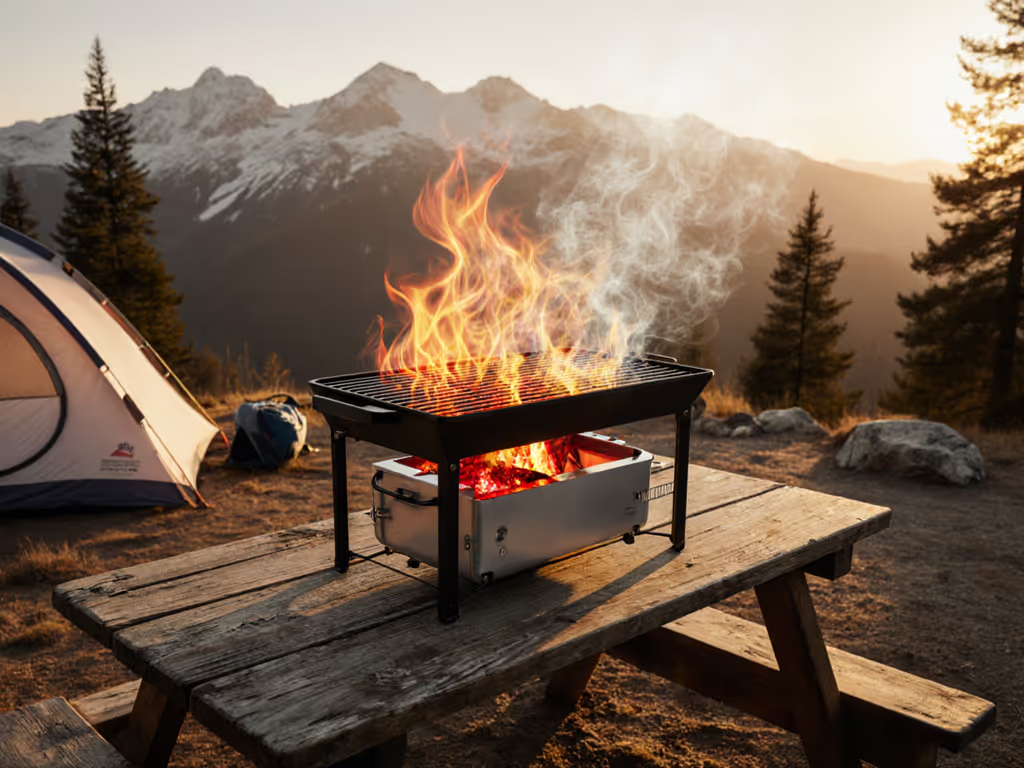
While big infrared grills require high-pressure propane lines, COBB's genius is adapting this for truly portable use. Their COBB cooking methodology uses infrared principles in two accessible formats: the charcoal-powered COBB and infrared burner add-ons. You're not limited to rare fuels, this is about optimizing common canisters or lump charcoal. Not sure which fuel fits your trips? Compare charcoal vs gas for portable grills. Here's what matters for your grab-and-go kit:
- Fuel agility: Use standard 1-lb propane canisters (available anywhere) or charcoal pouches. No boutique canisters required, just stick to what you can buy twice in town. A single propane can lasts 45-60 minutes of high-heat searing versus 25 minutes for convection grills at the same temp.
- Windproof performance: The COBB's low-profile dome traps radiant heat while deflecting gusts. Unlike open grates where flames blow out, infrared maintains cooking temps even on blustery docks.
- Minimal flare-ups: Grease drips hit the infrared emitter (not open flame), vaporizing into flavor instead of causing greasy fires. Essential for park cooks where flare-ups draw stares, or worse, ranger attention.
The Cost-Per-Meal Math That Makes Infrared Pay Off
Let's run the cost-per-meal math for a typical park cookout:
| Fuel Type | Cost per Unit | Meals per Unit | Cost per Meal | Added Hassles |
|---|---|---|---|---|
| Standard Propane (convection grill) | $5.00 | 3 meals | $1.67 | Heavy tank; wind struggles |
| Propane w/ COBB infrared | $5.00 | 5 meals | $1.00 | None - same canister, less burn |
| Charcoal (COBB) | $3.50 | 4 meals | $0.88 | Ash cleanup; smoke limits |
This isn't theoretical. My COBB infrared model uses half the propane of my old backpacking grill for the same 4-person dinner. Factor in COBB fuel consumption data from field tests, and it's clear: infrared's efficiency slashes long-term costs while solving "fuel anxiety" in remote spots. Bonus: less weight = more space for beer.
Grab-and-Go Kit Maintenance: Keep It Simple
COBB maintenance techniques for mobile cooks boil down to three rules:
- Scrape immediately post-cook (while warm but not hot) with a stiff brush (no soaked grates later).
- Store the emitter dry, toss silica gel packets in your carry case to prevent salt-air corrosion near beaches.
- Never water-cool the chamber, let it cool naturally inside its insulated sleeve (most models include one). Rushing cooldown warps plates.
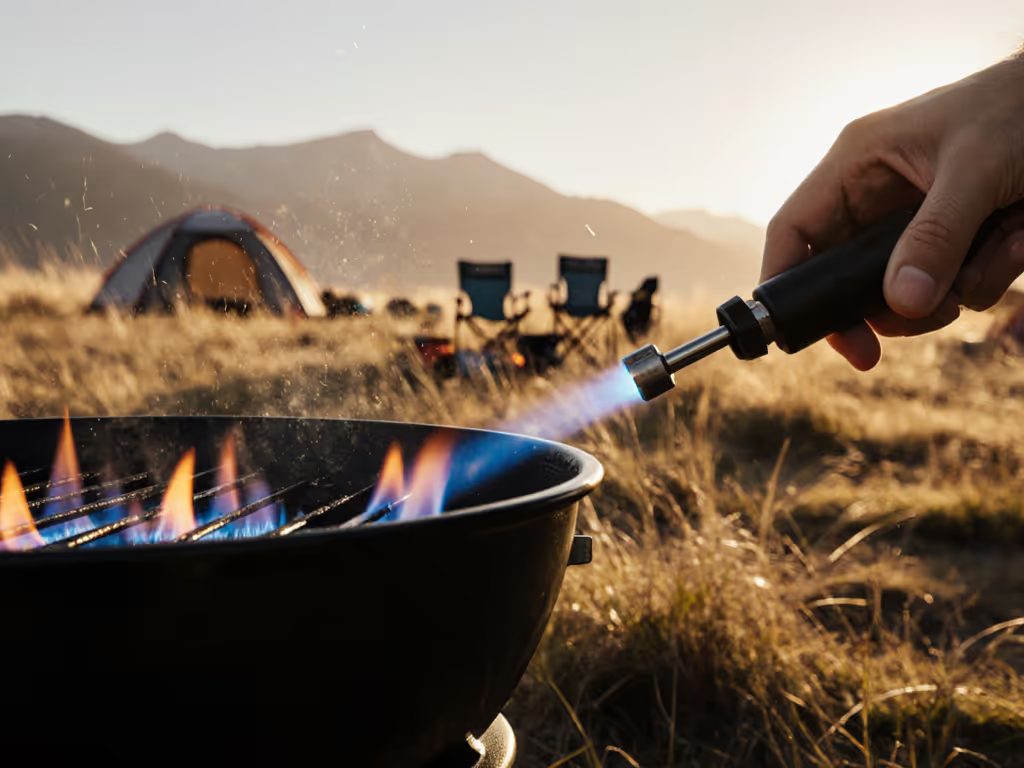
Unlike finicky electric starters on gas grills, COBB's infrared models often use simple match lighting, no dead batteries mid-campsite. And cleanup takes 3 minutes: wipe the grease moat with a rag, stow the brush, and the whole unit slips into a trunk-sized case. For a deeper routine that keeps performance consistent, follow our portable grill cleaning guide. No ash buckets or propane swaps mid-meal.
Your Actionable Next Step: Build a Modular Kit That Travels
Stop overcomplicating portable grilling. Build a simple go-bag with the right portable grill tools so you're always ready to cook. Embrace the modular kit mindset, one base unit (like a COBB infrared-compatible grill) that works with fuels you'll actually find. Carry the fuel you can buy twice in town, whether that's propane from a gas station, butane from a bodega, or charcoal from a park kiosk. Start small: test infrared's speed by searing steak tips in your backyard using a standard canister. Time it against your usual grill. If you're done in 8 minutes instead of 15, and used half the fuel, you've got your answer.
The goal isn't perfection, it's a grab-and-go kit that works when spontaneity strikes. Pack light, burn less, and remember: reliability beats specs every time you're cooking under deadline. Your next beach sunset dinner just got easier.
Related Articles